
Sustainability has become one of the most frequently used and least clearly understood words in all of fashion. It appears on swing tags, in shop windows and across marketing with such relentless frequency that it has begun to lose any real meaning, blurring into a vague, comfortable impression rather than anything specific. For anyone who genuinely cares about the longevity of a fine wardrobe — and about the real impact of maintaining it — it’s worth cutting through the noise to ask a more precise question: what does responsible garment care actually involve, in practice? It is why genuinely sustainable dry cleaning in Sydney is worth understanding properly.
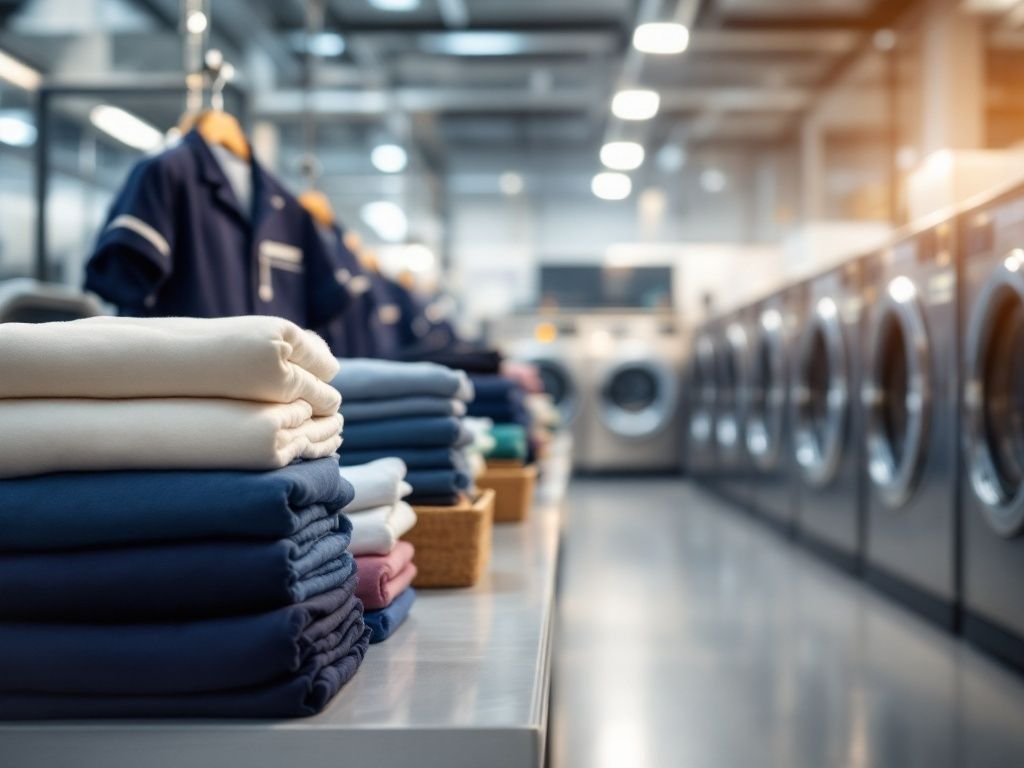
The most sustainable wardrobe is the one you already own, kept beautifully. Book a pickup and extend the life of your finest pieces.
The most sustainable act is making garments last
Spring, the natural season of reassessing, clearing out and refreshing, is a fitting moment to think it through. Because the single most sustainable wardrobe, when you follow the logic all the way down, is not a newly bought one, however green its credentials. It’s the one you already own, kept in excellent condition and worn with pleasure for as long as it can possibly last.
There is a quiet and slightly inconvenient truth at the heart of responsible garment care: extending the life of what you already own is, by a wide margin, the single most meaningful thing you can do. Every additional season a garment stays genuinely wearable is a season it doesn’t need to be replaced — and the environmental cost of producing, shipping and selling a new piece dwarfs, many times over, the modest cost of properly maintaining an existing one. No amount of sustainable manufacturing changes that basic arithmetic.
This reframes cleaning, conditioning and restoration entirely. They are not indulgences layered on top of consumption; they are the very mechanism by which good clothing is kept out of landfill and in active use. A cashmere coat that’s cared for correctly can last for decades and pass on to another wearer still. The identical coat, mistreated and neglected, may not survive two winters before it’s felted, moth-eaten or discarded. Fabric knowledge, applied consistently over the life of a garment, is itself a genuine and underrated form of sustainability.
Sustainable dry cleaning in Sydney: understanding the methods honestly
The environmental conversation around dry cleaning has, quite rightly, moved on considerably over the years — away from older, harsher solvents and toward gentler, more responsible processes. Modern professional cleaning has changed a great deal, and the clear direction of travel across the industry is toward methods that are kinder to both fabric and environment. At Luxe, that direction is concrete: we clean with 100% biodegradable, perc-free solvents — gentler on delicate fibres, on skin and on the environment.
But it’s equally worth being clear-eyed rather than being swept along by a comforting label. “Eco-friendly” is not a regulated or defined term, and in different hands it can mean very different things — from a rigorous, thoughtfully managed process to little more than a reassuring word on a sign. What matters far more than the word itself is the substance behind it: the specific processes actually used, how solvents and water are managed, filtered and recycled, and — most importantly of all — whether the chosen method is genuinely the right one for the individual garment in front of it. A process marketed as green but wrong for a delicate fabric is not sustainable in any meaningful sense, because shortening a garment’s life is the least sustainable outcome there is. Responsible care always lives at the intersection of environmental consideration and real fabric expertise, and never sacrifices one for the other.
The false economy of doing it yourself
There’s a common and understandable assumption that home laundering must be the more sustainable choice — no transport, no industrial process, no solvents. For everyday cottons and hard-wearing basics, that’s often perfectly true. For fine and delicate garments, though, it frequently isn’t, and the reasoning is worth following. Domestic washing of delicate pieces still consumes water, energy and detergent, while simultaneously risking the very damage that leads to a garment being thrown out years before its time. Wool felted beyond recovery in a home machine, silk ruined by waterspotting, tailoring collapsed by improper washing, knitwear stretched permanently out of shape — these are garments lost to landfill through entirely well-meaning but misapplied effort. Specialist care that keeps a piece genuinely wearable for years longer is, in the fuller and more honest accounting, very often the more responsible path, not the less.
Care habits that reduce impact
Sustainability lives in small, repeatable habits every bit as much as in cleaning method. Cleaning garments only when they genuinely need it, rather than reflexively after every single wearing, preserves both the fabric and the resources involved — many pieces, particularly tailoring and outerwear, need airing, brushing or minor spot attention far more often than they need a full clean. Storing garments properly, so they don’t degrade, crease or attract pests in the gaps between wearings. Restoring and refreshing a tired piece rather than replacing it outright. Choosing collection and delivery arrangements that consolidate trips efficiently rather than multiplying individual journeys. None of these habits is dramatic on its own, and all of them compound quietly over the life of a wardrobe.
Buying less, and buying better
Perhaps the most reassuring conclusion of all is that caring for your garments well and caring for them responsibly are not competing goals to be traded off against each other — they are, in the end, the very same goal. The expertise that protects a fabric from damage is the same expertise that extends its useful life. A wardrobe maintained with knowledge, restraint and genuine care is simultaneously a more beautiful wardrobe and a more responsible one. You don’t have to choose.
A wardrobe built on a smaller number of genuinely good pieces, each properly maintained and kept in service for years, is both more sustainable and, in the end, more satisfying than a larger churn of things bought and discarded. Care is what makes that model actually work. It’s the reason a considered piece can justify its cost — because it’s worn for a decade rather than a season — and the reason quality holds its value and its beauty over time. Seen this way, specialist cleaning, conditioning and restoration aren’t running costs to be minimised; they’re the modest, ongoing investment that lets a small, well-chosen wardrobe last, long after fast fashion would have fallen apart.
For fibre-level guidance, Woolmark’s care resources set the standard — and locally, choosing sustainable dry cleaning in Sydney with a perc-free, biodegradable solvent is the single most meaningful switch a fine wardrobe can make.
Your Questions, Answered
Is dry cleaning bad for the environment?
Not inherently — it depends entirely on the process. Older harsh solvents earned the industry its reputation, but modern responsible cleaning uses biodegradable, perc-free chemistry. Luxe cleans exclusively with 100% biodegradable, perc-free solvents, matched carefully to each fabric.
What is the most sustainable way to care for clothes?
Make them last. Extending a garment’s life is the single most meaningful thing you can do — clean pieces only when they need it, store them properly, restore rather than replace, and use specialist care for delicate fabrics a home machine would ruin.
Is washing at home greener than professional cleaning?
For everyday cottons, often yes. For fine wool, silk, tailoring and knitwear, home washing risks the very damage that sends garments to landfill early — specialist care that keeps a piece wearable for years longer is usually the more responsible path.
Luxe cleans with 100% biodegradable, perc-free solvents — gentler on delicate fibres, on skin and on the environment, from The Rocks and Circular Quay to Woollahra and Bellevue Hill. Explore our garment care services or call 0485 511 744 — pickup and delivery, seven days.