
As Sydney moves out of winter and the coats, knits and heavy layers are packed away, one garment steps quietly into the foreground: the shirt. Through the cooler months it spends much of its life half-hidden beneath a jacket or a jumper, its collar the only part on show. Come the warmer season, it becomes the piece people actually see — the collar framing the face at an open neck, the crisp white against lighter tailoring, the sleeve turned back on a warm afternoon. And with that new visibility comes a higher standard. It is also when professional shirt laundry in Sydney earns its quiet place in the weekly routine.
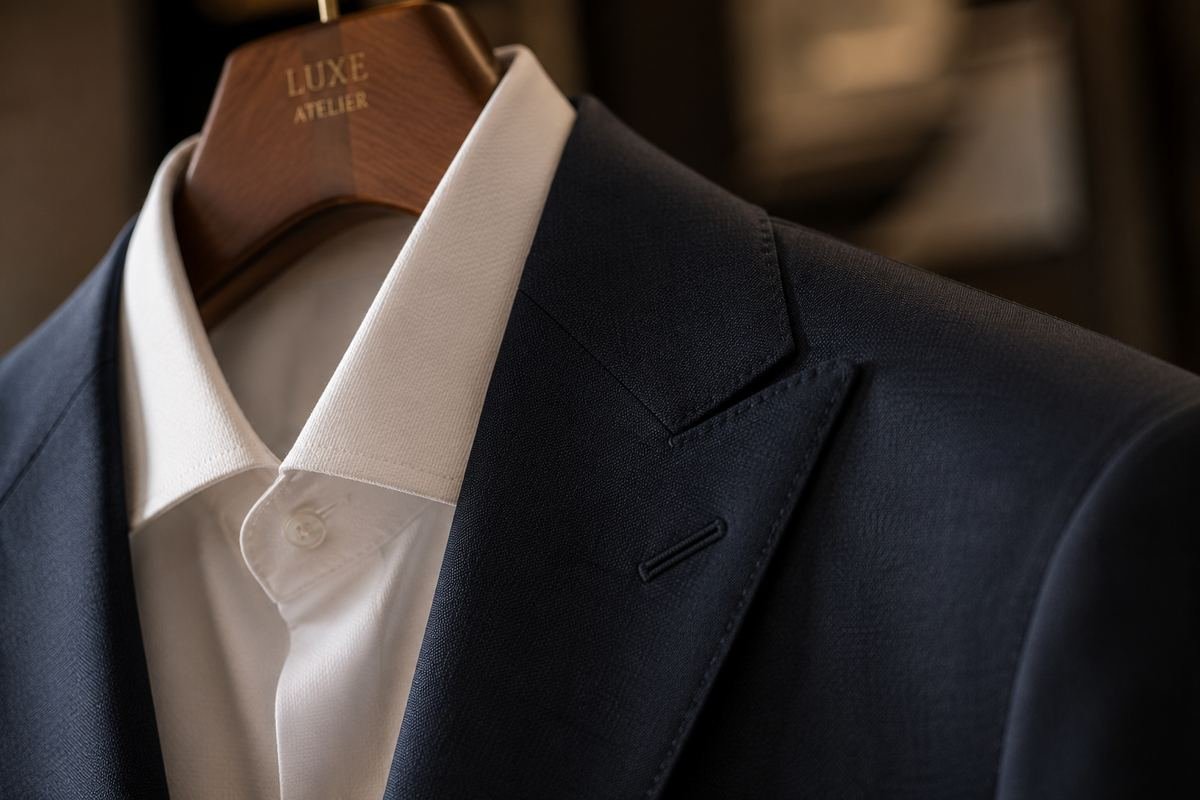
Shirts step forward as the layers come off. Book a pickup and have them laundered and hand-finished, door to door.
Why the shirt takes centre stage in the warmer months
A shirt is a deceptively demanding garment to keep well. It sits directly against the skin, absorbs perspiration and body oils, is worn more often than almost anything else in the wardrobe, and is judged more closely than most people realise — a limp collar or a faint scorch mark is noticed in a way a slightly creased jacket never is.
Through winter, a shirt is a supporting player — a layer beneath the real outfit. As the weather warms, that changes entirely. The jackets and knitwear come off, and the shirt becomes the outfit: the first thing seen across a meeting table, at a lunch, or at an event. The warmer months also bring the shirt’s most unforgiving colours and fabrics to the fore. Crisp whites and pale blues, which dominate spring and summer dressing, show every imperfection — a greyed collar, a yellowing cuff, a stubborn crease. Lighter, breathable cottons and fine linens crease more readily and mark more visibly than heavy winter cloth. The result is that the standard a shirt is held to rises at exactly the moment the wardrobe leans on it most.
The limits of the home iron
There is no shame in ironing at home, but it’s worth being honest about what it can and can’t achieve. A domestic iron and board simply cannot replicate the heat, steam and pressure of professional equipment, and the difference shows most in the places that matter most — the collar, the cuffs and the placket, which want to be crisp and flat and instead emerge softly rounded or faintly creased. Getting a genuinely sharp, even finish across a whole shirt by hand is slow, skilled work, and few people have the time or the tools to do it consistently.
There are risks, too, beyond a merely average result. A domestic iron run too hot will scorch fine cotton or leave a tell-tale shine on darker fabric, both of which are difficult or impossible to reverse. Water can spot. And home laundering, separately from the pressing, tends to leave the collar and cuffs — the areas that carry the most perspiration and oil — gradually greying and yellowing, because an ordinary wash doesn’t fully lift what builds up there. Over a season, the cumulative effect is a shirt that looks tired well before it should.
What professional shirt laundry actually involves
Professional shirt care is really two disciplines working together: laundering and finishing. The laundering lifts perspiration, body oils and soil from the fabric properly, with particular attention to the collar and cuffs, so the shirt is genuinely clean rather than merely refreshed. The finishing is where the visible difference is made — commercial pressing equipment applies precise, even heat and steam under controlled pressure, and the details are then hand-finished, so the collar sits crisp and true, the cuffs are sharp, and the placket and yoke lie flat.
The result is a shirt that not only looks better but wears better through the day. A properly finished shirt holds its crispness longer, resists creasing, and sits cleanly under a jacket or on its own. There’s also a longevity benefit that’s easy to overlook: correct laundering and finishing are gentler on a shirt over time than repeated hot home ironing and imperfect washing, so a good shirt kept professionally simply lasts longer before the collar softens or the fabric tires. For a well-made shirt, that care is what protects the investment.
Whites, collars and cuffs — where shirts show their age
Shirts betray their age in specific, predictable places, and the collar and cuffs lead the way. These are the points of greatest contact with skin, perspiration and oils, and over time they yellow and grey — a process accelerated by the warmer months, when perspiration is greater and whites are worn most. Left to ordinary washing, that discolouration sets in and becomes progressively harder to remove, until an otherwise good shirt looks worn at exactly its most visible edges.
Specialist care addresses this directly, treating the collar and cuffs properly and keeping whites genuinely white rather than letting them drift toward a dull, greyish cast. Finishing can be tailored to preference, too — from a soft, natural finish to a crisper, more structured one — and details like a loose button are noticed and secured in the course of the work, rather than discovered on a rushed morning. It’s the sum of these small attentions that separates a shirt that looks considered from one that looks merely clean.
Launder or dry clean? Matching the method to the shirt
Not every shirt should be treated the same way, and knowing the difference matters. A standard cotton business shirt is best laundered and pressed — cleaned, finished and returned crisp. But silk shirts, fine or delicate blends, and anything embellished or structured are a different matter, and are often better dry cleaned to protect the fabric. Applying a laundering process to a shirt that needed specialist dry cleaning is a common way for a good piece to be damaged.
As with all fine garment care, the fabric dictates the method. A specialist assesses each shirt — its cloth, its construction, its condition — and treats it accordingly, rather than sending everything through a single process. It’s exactly the kind of judgement that’s worth handing to someone who makes it every day. As the layers come off and your shirts step back into daily service alongside your suiting, they deserve a finish that matches their new prominence — and with pickup and delivery across Sydney seven days a week, it’s an easy standard to keep.
Cotton care at home has its place — the GINETEX care-label guide explains every symbol — but for collars, cuffs and true whites, specialist shirt laundry in Sydney is the difference the mirror notices.
Your Questions, Answered
What is the difference between shirt laundry and dry cleaning a shirt?
Shirt laundry washes and presses cotton shirts — the right method for standard business shirts. Silk, delicate blends and embellished or structured shirts are better dry cleaned to protect the fabric. A specialist assesses each shirt and matches the method to the cloth.
Why do shirt collars and cuffs go yellow?
They carry the most contact with skin, perspiration and oils. Left to ordinary washing, those residues set and oxidise into yellow-grey discolouration. Professional laundering treats the collar and cuffs specifically, keeping whites genuinely white.
Is professional shirt pressing better than home ironing?
Commercial equipment applies even heat, steam and pressure a domestic iron can’t match, and the details are hand-finished — collar crisp and true, cuffs sharp, placket flat — with no risk of scorch or iron-shine.
From the CBD and Barangaroo to Chatswood, North Sydney and Kirribilli, Luxe launders and hand-finishes every collar and cuff — whites genuinely white, the finish precise. See our shirt laundry service or call 0485 511 744 — pickup and delivery, seven days.