
As Sydney moves out of winter and the temperature begins its steady climb through spring and on toward summer, a quiet and rather unglamorous problem begins for anyone who wears fine fabrics: perspiration. It’s a subject that’s easy to brush aside precisely because it’s uncomfortable to think about — but it’s responsible for more permanent, unrecoverable damage to quality garments than almost any other single cause, and it accelerates sharply just as the warmer, more sociable months arrive and your best lightweight pieces come out to be worn. Left unattended, perspiration stains on clothes quietly set in for good.
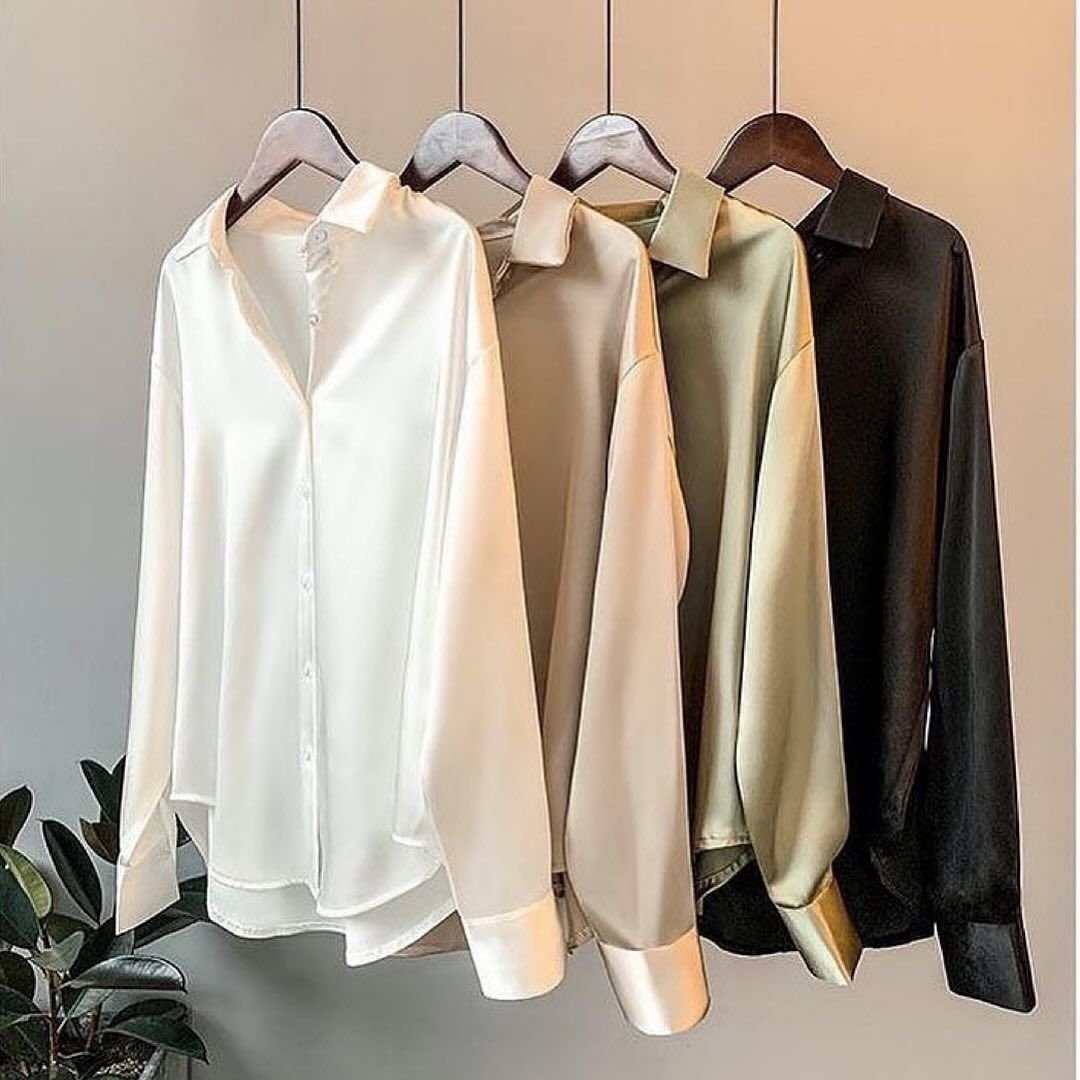
Perspiration damage is invisible at first and permanent later. Book a pickup after warm-weather wearings — before marks set.
Why perspiration is more damaging than it looks
The genuinely frustrating part is that the damage is so often completely invisible at first. A garment worn on a warm day looks perfectly clean when you take it off in the evening — no obvious mark, no reason for concern — and so it goes straight back into the wardrobe. Weeks or even months later, a yellow shadow has quietly appeared beneath the arms, or the fabric there has stiffened and discoloured, and by that point it’s frequently too late to fully reverse. The clean-looking garment was, in fact, already staining itself in the dark.
Perspiration itself, while fresh, is relatively mild and benign. The real trouble begins the moment it’s left to sit in the fabric over time. As it ages, perspiration oxidises — in much the same way a cut apple browns when it’s exposed to air — and the residue steadily turns yellow and sets deep into the fibres. On pale silk, fine cotton, delicate wool and lightweight blends, this yellowing becomes extremely difficult to remove once it’s properly established, and sometimes impossible. Worse still, the salts and acids naturally present in perspiration gradually attack and weaken the fibre itself, so a garment that’s repeatedly worn and then stored unwashed can degrade structurally — not merely cosmetically — around the underarms, the collar and the cuffs.
Heat and humidity accelerate every stage of this process, which is exactly why spring and summer are the danger seasons for a fine wardrobe rather than the depths of winter. A silk blouse worn to a warm harbourside lunch and then hung straight back in the wardrobe, still looking pristine, is quietly setting up a stain that may only reveal itself long after you’ve entirely forgotten the occasion.
The antiperspirant complication
Perspiration also rarely acts alone. Most antiperspirants contain aluminium-based compounds designed to react with sweat, and those same compounds react with the fabric as well, producing the stiff, waxy, yellowing buildup that’s so familiar from the underarms of well-worn shirts. This buildup is a genuinely different problem from a plain sweat stain, and in many cases it’s even more stubborn — it bonds firmly to the fibres and shrugs off ordinary washing altogether. On fine garments, the combination of oxidised perspiration and accumulated antiperspirant residue is one of the hardest problems a specialist cleaner is ever asked to solve, and it is dramatically easier to prevent in the first place than to cure after the fact.
How to protect your garments
Prevention is, happily, largely a matter of small habits and timing rather than effort or expense. Allow antiperspirant to dry completely before you dress, so that far less of it transfers wet onto the fabric in the first place. For particularly precious or vulnerable pieces worn in warm weather, consider discreet underarm shields, which take the perspiration the garment would otherwise absorb. Where the outfit and the occasion allow it, a light natural-fibre layer worn beneath a fine garment does much the same job.
Most important of all, and worth repeating because it’s the habit that matters most: don’t store garments unwashed after warm-weather wear. This single practice causes more perspiration damage than everything else combined. A piece worn on a hot day should be cleaned before it goes back into the wardrobe for any real length of time — not hung up and left to sit for weeks while the residue oxidises and sets undisturbed. The very natural instinct to return a still-clean-looking garment to the rail is precisely the instinct that leads, months later, to permanent yellow marks that no one can explain.
Removing perspiration stains on clothes once marks appear
If yellowing or waxy buildup has already set into a favourite piece, resist the strong temptation to attack it aggressively at home. Vigorous scrubbing and harsh supermarket products can easily damage and thin the fibre while barely touching the underlying stain, and can drive the discoloration deeper and wider. Specialist assessment is genuinely the right course here: fresh perspiration marks are highly treatable, older oxidised ones are more challenging but very often still improvable to a real degree, and a professional can look at the garment and tell you honestly which of the two you’re actually dealing with, and what result is realistically achievable, before anything is attempted.
The garments most at risk
Some pieces deserve particular vigilance as the weather warms, because they combine vulnerability with the way they’re worn. Pale silk blouses and dresses show perspiration yellowing more readily than almost anything else, and they’re worn precisely on the warm days that cause it. Fine cotton and linen shirts, worn close to the skin through spring and summer, are prime candidates for underarm and collar marks. Lightweight wool suiting and tailoring, worn to warm-weather events, quietly absorb perspiration that then sits unseen until it sets. And anything in a pale or delicate colour, worn more than once between cleans in the heat, is at real risk. If you’re prioritising, start there — the pale, the fine, and the frequently worn, from fine knitwear to pieces already showing early yellowing.
The whole discipline reduces to a couple of easy habits — letting antiperspirant dry before dressing, and cleaning warm-weather pieces promptly rather than storing them unwashed — and the payoff is a wardrobe that stays fresh, unmarked and structurally sound through the seasons that would otherwise quietly damage it most. It’s a small amount of foresight standing between a favourite silk blouse and an unexplained yellow shadow discovered months too late.
The Woolmark care guides explain why protein fibres react so strongly to alkaline residue — and why perspiration stains on clothes deserve professional attention before, not after, they oxidise.
Your Questions, Answered
Why do sweat stains turn yellow over time?
Fresh perspiration is mild, but left in fabric it oxidises — like a cut apple browning — and the residue turns yellow and bonds deep into the fibre. Combined with aluminium-based antiperspirant buildup, it becomes one of the hardest stains to reverse.
Can set-in perspiration stains be removed from silk?
Fresh marks are highly treatable; older oxidised ones are harder but often still improvable. A specialist can assess honestly which you’re dealing with, and what result is achievable, before anything is attempted — never scrub silk at home.
How do I stop deodorant marks ruining my clothes?
Let antiperspirant dry fully before dressing, consider underarm shields for precious pieces, and — most importantly — clean warm-weather garments promptly rather than storing them unwashed while residues set.
Perspiration is far easier to prevent than to reverse. From Potts Point and Barangaroo to Rose Bay and Clovelly, Luxe cleans your silks, fine cottons and lightweight wools promptly after wear — or set up a subscription for standing seasonal care. Call 0485 511 744, pickup and delivery seven days.